
Defining incrementality varies among different brands. Some platforms define incrementality as the occurrence of an event or desired outcome solely due to the contribution from a marketing channel or partner.
In today’s highly competitive macroeconomic climate, where ad costs are rising, brands face the pressure to deliver marketing efficiency and demonstrate a return on investment. To meet these challenges, brands are increasingly turning towards measurable digital channels, such as affiliate partnerships.
The role conversion paths play in understanding incrementality
Research shows that a whopping 81% of modern shoppers rely on information from multiple trusted online sources before making a purchase, which expands the conversion path.
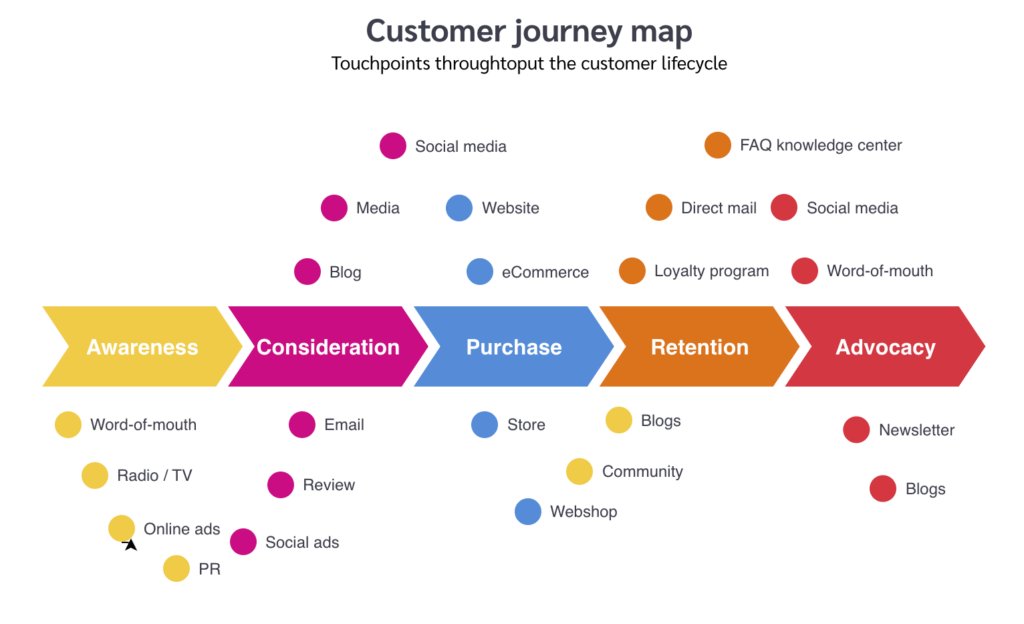
A conversion path refers to the journey a customer takes, through various clicks, to complete a desired action like making a purchase or installing an app. Each interaction, whether it’s listening to podcast recommendations, reading review sites, or opening an email, creates a unique touchpoint along the buyer journey.
Analyzing these individual conversion path touchpoints is crucial for brands to understand and improve incrementality. It provides a visual narrative of how different channels or partners interact and contribute towards a consumer conversion event, be it completing an order, installing an app, or subscribing to a newsletter. Moreover, it highlights how customers discover, research, purchase, and engage with brands.
Unlocking 3 winning strategies to gain deeper insights and enhance incrementality
There are challenges when it comes to cross-channel measurement and skepticism regarding the incremental value, making it difficult to allocate marketing spend for partnership channels. Approximately 43% of brands identify measuring partnership program performance and understanding the incremental value brought by each partner as a top pain point.
1. Leveraging innovative tracking tools is essential
Partnership platforms with advanced tracking features like end-to-end tracking and cross-channel measurement offer the necessary insights to clarify the effectiveness of channels and partners, providing evidence of their value.
Furthermore, cross-channel tracking enables brands to deduplicate redundant spending between channels. By tracking across all channels in real time, brands ensure that only one channel receives credit for a given conversion event, eliminating double payment. Deduplicating spend removes costs that do not provide value, allowing for more significant investments with higher returns.
2. Obtain a precise picture through reporting features
Establishing a foundation of comprehensive tracking is the only way to achieve an accurate view through reporting. After all, a brand can only report on what it tracks. If certain aspects are not being tracked, even the best reports will lead to decision-making based on incomplete data.
Aggregate cross-channel reporting tools help brands gain a complete picture. They provide a deeper understanding of partner and channel performance contributing to conversions, offering an overview of the value provided and optimization opportunities for success.
Insights from click contribution report offer visual identification of how different channels interact. These reports reveal when a marketing channel acts as an introducer, influencer, or closer, and how frequently it receives credit for its actions. They also indicate when a partner or channel is the sole contributor in the conversion path, emphasizing their incremental value as the conversion would not have occurred without them.

3. Setup value based commission
I talked about value based commission, aka tiered rewards in my previous post. Insights from tracking reports can help brands develop a commission strategy based on a partner’s unique contribution. They facilitate data-driven conversations with partners regarding commission changes, ensuring efficient spending and justifying partnership strategies through informed decisions.
For instance, brands can identify partners that frequently contribute along the conversion path but do not receive commission due to last-click attribution. Conversely, they can pinpoint partners that have infrequent contributions but often “win” the credit, signalling potential over-compensation for their value. By aligning payouts to value or offering bonuses to reward all contributions, brands can overcome these challenges.
By adopting these strategies, brands can confidently navigate the complexities of incrementality, optimize their partnerships, and achieve greater marketing success.
 Derrick Branco